

News Center
Popular products

Sales Department Tel:
0512-52836238
0512-52836128
0512-52358728
Sales Department Fax
0512-52836278
Sales Department Email
xu@worldbrom.com
Purchasing Department Tel/ Fax
0512-52836228
Headquarters Address US Office
, No. 18 Haitian Road, Advanced Material Industrial Park, Changshu City, Jiangsu
Tel
+1 832-857-1028
U.S. office mailbox
Lauren@worldbrom.com
shelia@worldbrom.com
U.S. office address
Creekside Park, The Woodlands, Texas 77375, USA
corporate website
www.worldbrom.com
0512-52836238
0512-52836128
0512-52358728
Sales Department Fax
0512-52836278
Sales Department Email
xu@worldbrom.com
Purchasing Department Tel/ Fax
0512-52836228
Headquarters Address US Office
, No. 18 Haitian Road, Advanced Material Industrial Park, Changshu City, Jiangsu
Tel
+1 832-857-1028
U.S. office mailbox
Lauren@worldbrom.com
shelia@worldbrom.com
U.S. office address
Creekside Park, The Woodlands, Texas 77375, USA
corporate website
www.worldbrom.com
Procurement Hotline
0512-52836128
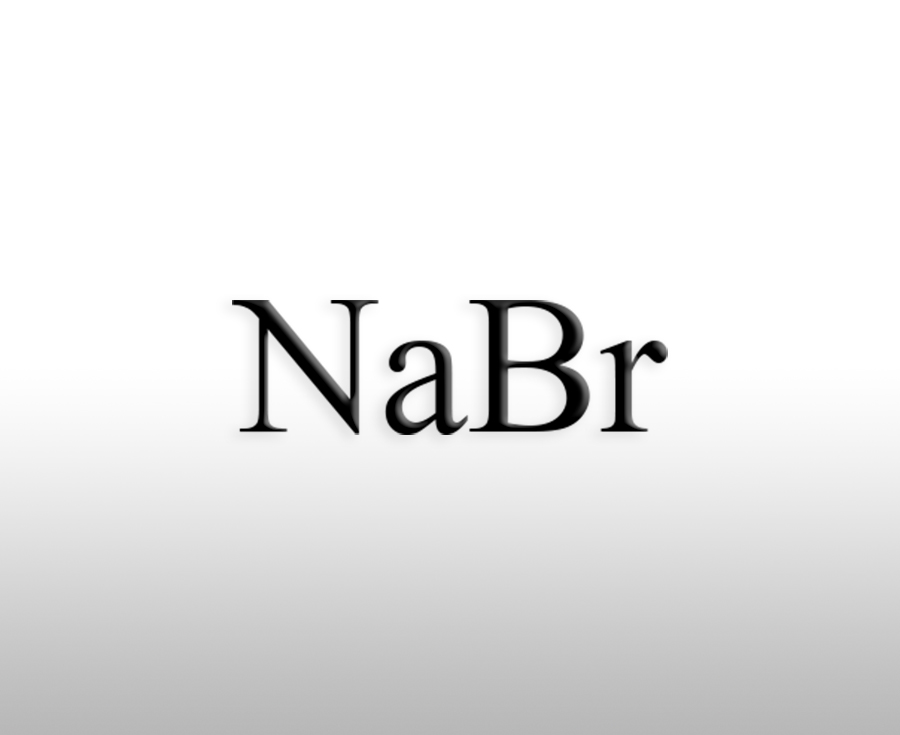
What issues should be noted when storing sodium bromide
Sodium bromide is a white crystal or powder, belonging to photosensitive materials, pharmaceuticals, and chemical intermediates. It has the characteristics of easy moisture absorption, solubility in water, and light stability, but needs to be moisture-proof. During storage and preservation, it is necessary to strictly follow the requirements of chemical safety management, and pay attention to the following matters:Sources:www.worldbrom.com | PublishDate:2026.04.08
1. Environmental control
It should be stored in a cool, dry, and well ventilated dedicated warehouse. The ambient temperature should be controlled within the normal temperature range, and the relative humidity should not exceed 75% to prevent the product from clumping and deliquescence due to moisture absorption, ensuring stable chemical properties.
2. Moisture proof sealing
The packaging must be completely sealed, tight and leak free, and it is strictly prohibited to store it damaged or open. Avoid direct contact with humid air, water vapor, spray water, etc., to prevent the product from absorbing moisture and melting, affecting purity and performance.
3. Avoid light and sun protection
Although sodium bromide itself has good photostability, it is still recommended to avoid direct sunlight and high temperature exposure, stay away from heat sources, heaters, and open flame areas, and prevent local overheating from causing packaging aging and material deterioration.
4. Isolation and storage
It should be stored separately from strong oxidants, strong acid substances, food and feed, flammable and explosive materials, and mixed storage and transportation are strictly prohibited to prevent chemical reactions, pollution, or safety hazards. Clear isolation signs should be set up in the warehouse to achieve zoning and classification management.
5. Warehouse management
Keep the warehouse floor clean and dry, equipped with corresponding moisture-proof and ventilation facilities. Establish an inventory ledger, follow the first in, first out principle, regularly check the integrity of packaging and the appearance of materials, and promptly handle any abnormalities found.
6. Protection and Emergency Response
The storage area should be equipped with corresponding personal protective equipment, and operators should wear gloves and masks when in contact. At the same time, appropriate emergency response equipment should be prepared, such as leak cleaning tools, dry adsorption materials, etc., to deal with unexpected leak situations.
7. Transportation and turnover
During transportation, prevent rain, moisture, and severe impact to avoid packaging damage. Light loading and unloading, avoiding throwing, rolling, and ensuring the safety of materials and storage and transportation.
Relevant articles
Related products
Recommended keywords:sodium bromate sodium bromide ammonium bromide sodium bromidesodium bromate potassium bromate Bronopol Bromine compounds worldbrom
Jiangsu Sodium Bromide | Shandong Sodium Bromide | Henan Sodium Bromide | Guangdong Sodium Bromide | Beijing Sodium Bromide | Anhui potassium bromide | Jiangsu Potassium Bromide | Shandong potassium bromide
Henan Sodium Bromate | Guangdong Sodium Bromate | Beijing Sodium Bromate | Anhui Sodium Bromate | Jiangsu ammonium bromide | Shandong ammonium bromide | Henan ammonium bromide |Guangdong Sodium Bromide| Beijing Sodium Bromide | Anhui Sodium Bromide
List labels:bromide sodium bromate Organic bromine sodium bromide sodium bromide calcium bromide ammonium bromide sodium bromate potassium bromate bromoacetic acid Bronopol
Copyright © 2021 Jiangsu Wode Chemical Co., Ltd

技术支持:Lange