

News Center

0512-52836238
0512-52836128
0512-52358728
Sales Department Fax
0512-52836278
Sales Department Email
xu@worldbrom.com
Purchasing Department Tel/ Fax
0512-52836228
Headquarters Address US Office
, No. 18 Haitian Road, Advanced Material Industrial Park, Changshu City, Jiangsu
Tel
+1 832-857-1028
U.S. office mailbox
Lauren@worldbrom.com
shelia@worldbrom.com
U.S. office address
Creekside Park, The Woodlands, Texas 77375, USA
corporate website
www.worldbrom.com
Procurement Hotline
0512-52836128-
 2026-10-13
Ammonium bromide is prone to moisture absorption and agglomeration. How to control the temperature a
Ammonium bromide crystals have strong hygroscopic properties. When the environmental water vapor partial pressure is higher than the equilibrium water vapor partial pressure on the surface of the salt crystal, the material will adsorb moisture from the air, and the crystal surface will dissolve to form a liquid film; Subsequent fluctuations in environmental temperature and humidity will cause the
-
 2026-10-09
What are the application industries of potassium bromate
Potassium bromate is a highly oxidizing hazardous chemical with potential health risks. Its use as an additive in the food industry has been banned in China. Currently, its legal applications are concentrated in industrial and laboratory settings such as chemical analysis, textile printing and dyeing, and the corresponding industries are as follows:
-
28 09 2026

How to sample and test lithium bromide, and what indicators need to be tested
1、 Sampling equipment Vacuum sampling bottle/sampler, vacuum pump, vacuum rubber tube, vacuum grease, 250mL polyethylene sample bottle (cannot be stored in ordinary glass bottles for a long time, lithium bromide can corrode glass), graduated cylinder, thermometer, and specific gravity meter; label.
-
22 09 2026

What are the main differences between sodium bromate, sodium bromide, and sodium chlorate
1、 Chemical composition and ion categories Sodium bromate belongs to the category of bromate salts, which are oxygen-containing salts with bromate anions and possess strong oxidative properties. Sodium bromide belongs to bromides and is an anaerobic halide with bromide ions as the anion. It is mainly reducing and lacks strong oxidizing ability. Sodium chlorate belongs to chlor
-
17 09 2026

What is the general packaging method for bromoacetic acid
Bromoacetic acid belongs to Class 8 corrosive hazardous chemicals (solid UN3425, solution UN1938), with Class II packaging. It has strong corrosion and irritation, and the packaging must be sealed to prevent leakage. It is divided into two categories: little-scale reagent packaging and industrial bulk packaging:
-
08 09 2026

What are the factors that affect the efficiency of potassium bromate oxidation reaction
1、 System pH value (core influencing factor) The oxidation ability of potassium bromate is highly dependent on the acidity or alkalinity of the system. 1. Acidic conditions: The oxidation activity is the strongest, and hydrogen ions are obtained from bromate to participate in the reaction. The oxidation reaction rate is fast and the reaction proceeds quickly; Different acidic media (
-
01 09 2026

What are the advantages of sodium bromate
Sodium bromate is a white crystalline strongly oxidizing inorganic salt with significantly improved oxidation ability under acidic conditions and relatively stable neutral conditions. It is widely used in industrial scenarios such as organic synthesis, analytical chemistry, precious metal melting, textile printing and dyeing. Reminder: Sodium bromate is toxic and classified as a hazardous chemical
-
25 08 2026

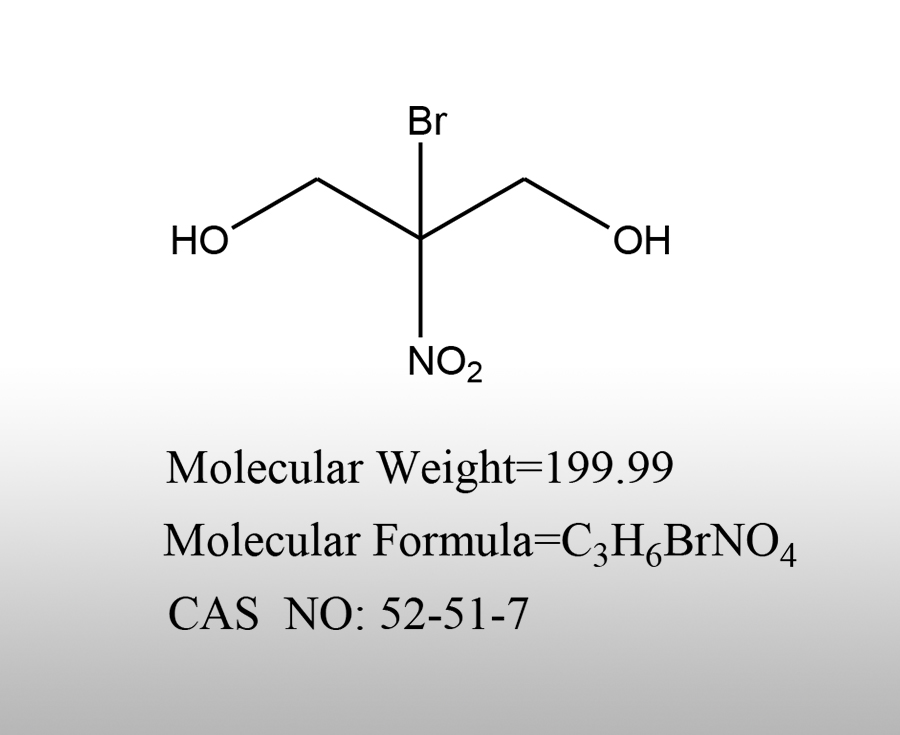
What should be noted when using bromonitrol
Bromine nitrate is a broad-spectrum bactericidal and preservative used in daily chemical, industrial recycled water, coatings, papermaking, and agricultural seed mixing; Moderate toxicity, irritating to eyes, skin, and respiratory tract, highly toxic to aquatic creatures, easily decomposed under alkaline and high temperature conditions. The following are divided into six parts: process use, compat
-
18 08 2026

What is the function of bromoacetic acid
Bromoacetic acid belongs to highly active halogenated carboxylic acids, which have both carboxyl and active bromine atoms in their molecules. Its core function is as an alkylating reagent and carboxymethylation synthesis block, and it is almost not used as a terminal product. It is entirely used as an intermediate in organic synthesis.
-
11 08 2026

What are the production methods of ammonium bromide
1、 Bromine and ammonia synthesis method (mainstream industrial route in China) Put water into the reaction kettle, mix it with liquid ammonia to form an ammonia water system, and maintain an environment of excess ammonia throughout the process. Slowly add bromine while continuously stirring, while strictly controlling the reaction temperature. After the reaction, adjust the pH of the system
