

News Center

0512-52836238
0512-52836128
0512-52358728
Sales Department Fax
0512-52836278
Sales Department Email
xu@worldbrom.com
Purchasing Department Tel/ Fax
0512-52836228
Headquarters Address US Office
, No. 18 Haitian Road, Advanced Material Industrial Park, Changshu City, Jiangsu
Tel
+1 832-857-1028
U.S. office mailbox
Lauren@worldbrom.com
shelia@worldbrom.com
U.S. office address
Creekside Park, The Woodlands, Texas 77375, USA
corporate website
www.worldbrom.com
Procurement Hotline
0512-52836128Sources:www.worldbrom.com | PublishDate:2026.07.23
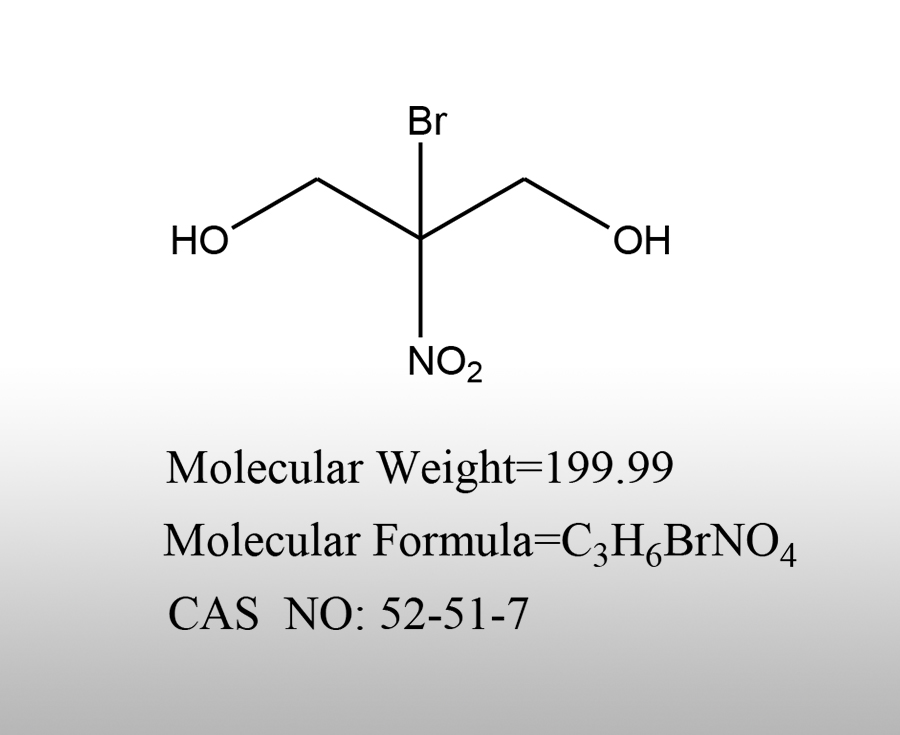
1、 Core advantages (application highlights)
1. Broad spectrum and high efficiency, particularly outstanding for Gram negative bacteria
Principle of action: Attack the key metabolic enzyme of thiol (- SH) in microbes, inhibit respiratory metabolic activity; It has good effects on Pseudomonas aeruginosa (Pseudomonas aeruginosa) and Pseudomonas genus, while inhibiting most Gram positive bacteria and having weak antifungal ability; Low ppm concentration can take effect, and the amount added is much lower than traditional preservatives.
2. Good water solubility and convenient mixing
Easy to dissolve in water, ethanol, and propylene glycol; Difficult to dissolve in mineral oil; It is suitable for water-based systems (lotion, aqueous solution, circulating water, slurry), and can be directly dissolved in water without the aid of organic solvents.
3. Wide applicable pH range: pH 4.0-9.0
Weakly acidic, neutral, and weakly alkaline systems can all stably exert their pharmacological effects; It is suitable for daily chemical lotion, metalworking fluid, paper pulp, oilfield reinjection water and other systems.
Attention: Strong alkaline environments with pH>9 and high temperature conditions will accelerate decomposition and decrease activity.
4. Good compatibility performance
Can coexist with anionic/cationic/nonionic surfactants, proteins, and various additives, and its antibacterial effect is not easily neutralized by the matrix; Suitable for complex lotion, cream and water-based paint.
Taboo: Avoid mixing with thiol reducing agents or strong reducing agents as they may cause deactivation.
5. It has a significant synergistic effect when compounded
Commonly used in combination with isothiazolinone and quaternary ammonium salts to broaden the anti mold spectrum, reduce single agent dosage, and delay the emergence of drug-resistant bacteria, industrial anti-corrosion solutions are widely adopted.
6. Common drawbacks of non oxidizing fungicides
Not classified as chlorine or bromine oxidizing biocides; It will not oxidize or damage dyes, additives, and polymers, and is not easy to cause system fading or resin degradation.
2、 Main application areas
1. Daily chemical cleaning and care (scene)
Shampoo, shower gel, cream, lotion preservative; Add 0.01% to 0.1%; Used to suppress bacterial contamination in aqueous phase.
Regulatory reminder: It belongs to formaldehyde releasing preservatives, and some regions have restrictions on resident toiletries.
2. Industrial water-based system anti-corrosion and sterilization
Industrial circulating cooling water, papermaking white water treatment, coatings/adhesives, metal cutting fluids, leather pulp, to inhibit biofouling and bacterial decay.
3. The petroleum industry
Oilfield reinjection water, drilling fluid, fracturing fluid bactericides, control sulfate reducing bacteria and saprophytic bacteria, and slow down pipeline microbial corrosion.
4. Agriculture
Seed treatment agent (mixed with cotton alcohol) is used for soaking and controlling bacterial diseases such as cotton corner spot and rice bakanae.
