

News Center

0512-52836238
0512-52836128
0512-52358728
Sales Department Fax
0512-52836278
Sales Department Email
xu@worldbrom.com
Purchasing Department Tel/ Fax
0512-52836228
Headquarters Address US Office
, No. 18 Haitian Road, Advanced Material Industrial Park, Changshu City, Jiangsu
Tel
+1 832-857-1028
U.S. office mailbox
Lauren@worldbrom.com
shelia@worldbrom.com
U.S. office address
Creekside Park, The Woodlands, Texas 77375, USA
corporate website
www.worldbrom.com
Procurement Hotline
0512-52836128Sources:www.worldbrom.com | PublishDate:2026.08.25
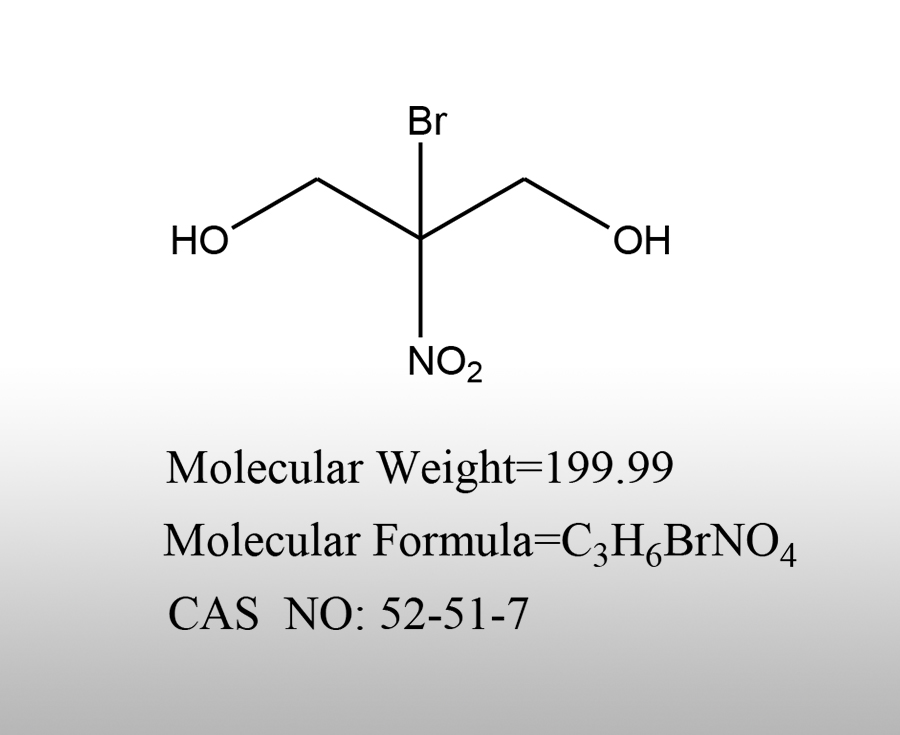
Bromine nitrate is a broad-spectrum bactericidal and preservative used in daily chemical, industrial recycled water, coatings, papermaking, and agricultural seed mixing; Moderate toxicity, irritating to eyes, skin, and respiratory tract, highly toxic to aquatic creatures, easily decomposed under alkaline and high temperature conditions. The following are divided into six parts: process use, compatibility taboos, personal protection, storage fire prevention, emergency disposal, environmental protection, and waste.
1、 Key points of process use
1. pH and temperature control
Stable range pH 4-8; Under alkaline conditions, it will hydrolyze and produce trace amounts of formaldehyde. The stronger the alkalinity of the system, the faster the decomposition, and the lower the anti-corrosion effect. There is also a risk of generating nitrosamines.
Feeding temperature ≤ 60 ℃, high temperature will accelerate decomposition; Dissolve in cold/warm water first before adding to the system, and do not directly add solid raw powder at high temperatures.
Light can deepen its color and accelerate degradation, and the prepared working fluid should avoid prolonged direct sunlight exposure.
2. The dosage should strictly follow the specifications and should not be exceeded arbitrarily
Daily chemical: The national standard has an upper limit for adding; Industrial circulating cooling water is generally 50-100mg/L; Coatings and papermaking are determined through formula testing; Agricultural seed mixing strictly follows the labeled dosage and cannot increase the concentration arbitrarily.
Suggest conducting anti-corrosion challenge tests to confirm the antibacterial effect of the actual system, rather than just looking at the theoretical addition amount.
3. Metal contact issues
It is strictly prohibited to come into contact with aluminum and galvanized parts, as it may cause corrosion, consume bromonitrol, and reduce drug efficacy; Plastic and stainless steel materials should be selected as much as possible for storage tanks and pipelines.
2、 Compatibility taboos (crucial)
1. Cannot coexist with thiol (- SH) substances (cysteine, thiol), it will directly become inactive and ineffective.
2. Avoid compounding with strong reducing agents and large amounts of amine/ammonia substances, which can accelerate decomposition and pose a risk of nitrosamine formation.
3. Can be compatible with most anionic, nonionic, and cationic surfactants; It can synergistically enhance the efficacy when compounded with isothiazolinone, but stability tests must be conducted before compounding.
4. Do not use with strong alkali.
3、 Personal protection for personnel (key dust prevention for handling solid raw powder)
Bromine nitrate dust irritates the eyes, skin, and respiratory tract; Ingestion is toxic.
1. Strengthen ventilation for operation positions, and provide local exhaust for dust generating positions.
2. Wear: chemical resistant gloves, goggles, long sleeved protective clothing; Wear P2 dust masks when unpacking and feeding in large quantities to prevent inhaling dust.
3. Install eye wash stations and emergency sprinklers at the work site; Eating and tobacco‑use are prohibited in the work area; Wash your hands and face thoroughly with soap after finishing.
4. Pregnant and lactating women should try to avoid contact with this chemical as much as possible.
Contact with first aid
In the eyes: Immediately open the eyelids, rinse with plenty of water continuously for at least 15 minutes, and seek medical attention immediately.
Skin contamination: Remove contaminated clothing and rinse the skin with soap and water; Seek medical attention promptly if redness, swelling, and stinging occur.
Inhalation of dust: Transfer to fresh air and seek medical attention if uncomfortable.
Accidental ingestion: Do not induce vomiting, rinse your mouth, and seek medical attention immediately.
4、 Storage and Fire Prevention
1. Sealed storage, cool, dry and ventilated warehouse, away from light and heat sources, storage temperature should not exceed 30 ℃, moisture-proof, and prevent moisture absorption and agglomeration.
2. Separate storage: Keep away from strong alkalis, strong reducing agents, and ammonia materials; Prohibit the storage of raw materials in aluminum containers.
3. Combustion risk: It is not flammable, but when heated and decomposed, it will release toxic and corrosive tobacco such as hydrogen bromide and nitrogen oxides; In case of fire, the personnel shall wear gas masks, use water spray, dry powder and foam to extinguish the fire, and pay attention to receiving fire-fighting wastewater to prevent it from flowing into the sewer environment.
4. The packaging is intact to prevent leakage; Do not continue to put expired materials into production.
5、 Environmental Protection and Wastewater Waste Management
1. Highly toxic to aquatic creatures, direct discharge of the original solution into rivers, ponds, and sewers is strictly prohibited as it may cause poisoning and death of aquatic creatures.
2. Production waste liquid and cleaning wastewater need to be treated to meet standards before being discharged; Solid residues and waste packaging should be collected and disposed of as hazardous waste and should not be discarded at will.
3. Agricultural scenario: Do not apply pesticides near aquaculture areas, do not clean utensils in rivers and ponds, and do not discharge residual pesticides directly into water bodies
