
News Center

0512-52836238
0512-52836128
0512-52358728
Sales Department Fax
0512-52836278
Sales Department Email
xu@worldbrom.com
Purchasing Department Tel/ Fax
0512-52836228
Headquarters Address US Office
, No. 18 Haitian Road, Advanced Material Industrial Park, Changshu City, Jiangsu
Tel
+1 832-857-1028
U.S. office mailbox
Lauren@worldbrom.com
shelia@worldbrom.com
U.S. office address
Creekside Park, The Woodlands, Texas 77375, USA
corporate website
www.worldbrom.com
Procurement Hotline
0512-52836128Sources:www.worldbrom.com | PublishDate:2026.09.01
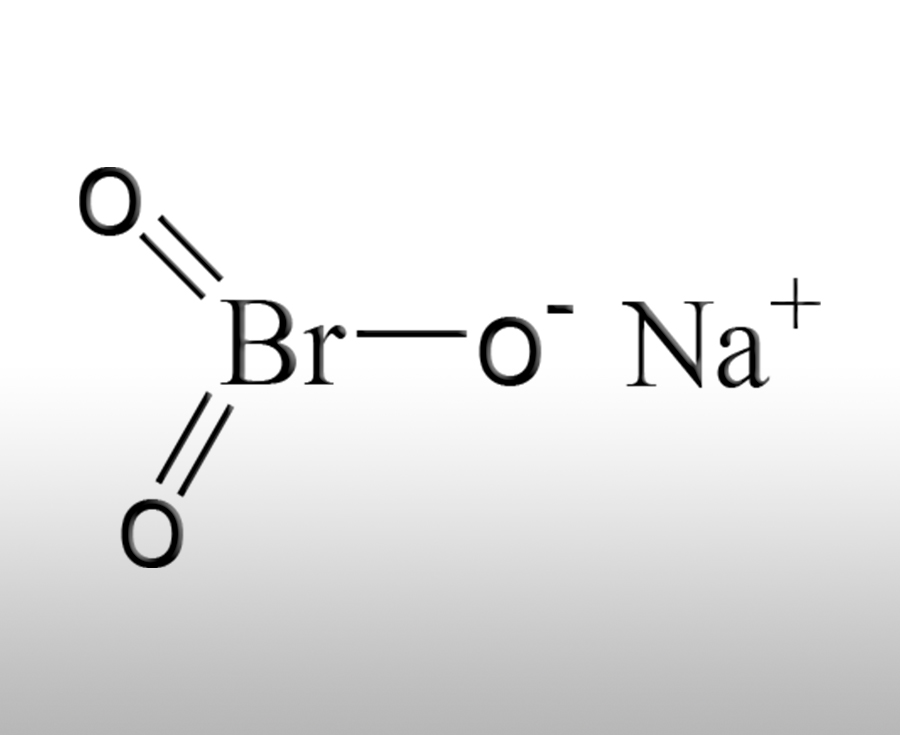
Sodium bromate is a white crystalline strongly oxidizing inorganic salt with significantly improved oxidation ability under acidic conditions and relatively stable neutral conditions. It is widely used in industrial scenarios such as organic synthesis, analytical chemistry, precious metal melting, textile printing and dyeing. Reminder: Sodium bromate is toxic and classified as a hazardous chemical. It should not come into contact with the human body at will. Its use as a flour improver has been banned in the food industry in China.
1. Controllable oxidation performance and good reaction selectivity
Under acidic conditions, the oxidation is strong, and under neutral and weakly alkaline conditions, the oxidation activity is mild and adjustable. The reaction rate can be correctly controlled by adjusting the pH, making it less prone to excessive oxidation side reactions. Compared to some strong oxidant reactions, it is more controllable.
The main reduction product is bromide ions, with minimal introduction of impurities into the system; When used for organic synthesis, it can selectively complete oxidation and bromination conversion, suitable for the preparation of chemicals such as vanillin and pharmaceutical intermediates.
The oxidation-reduction potential is stable and suitable for oxidation-reduction titration analysis. It can be used as a standard reagent to determine reducing substances such as sulfite, ferrous, and phenols, with high accuracy in analysis results.
2. Good water solubility, easy to prepare and use
The solubility in water is high, and it increases significantly with temperature. It can be quickly prepared into high concentration aqueous solutions at room temperature; The aqueous solution is clear and free of precipitation, making it convenient for process measurement and transportation, and suitable for continuous industrial production; Slightly soluble in ethanol, almost insoluble in most organic solvents.
Solid properties are stable, and it is not easy to decompose when stored at room temperature. It only releases oxygen when heated at 381 ℃. The stability of storage at room temperature is better than that of oxidants such as hydrogen peroxide and sodium hypochlorite that are prone to decomposition and failure, and the storage loss is little.
3. Industrial process advantages
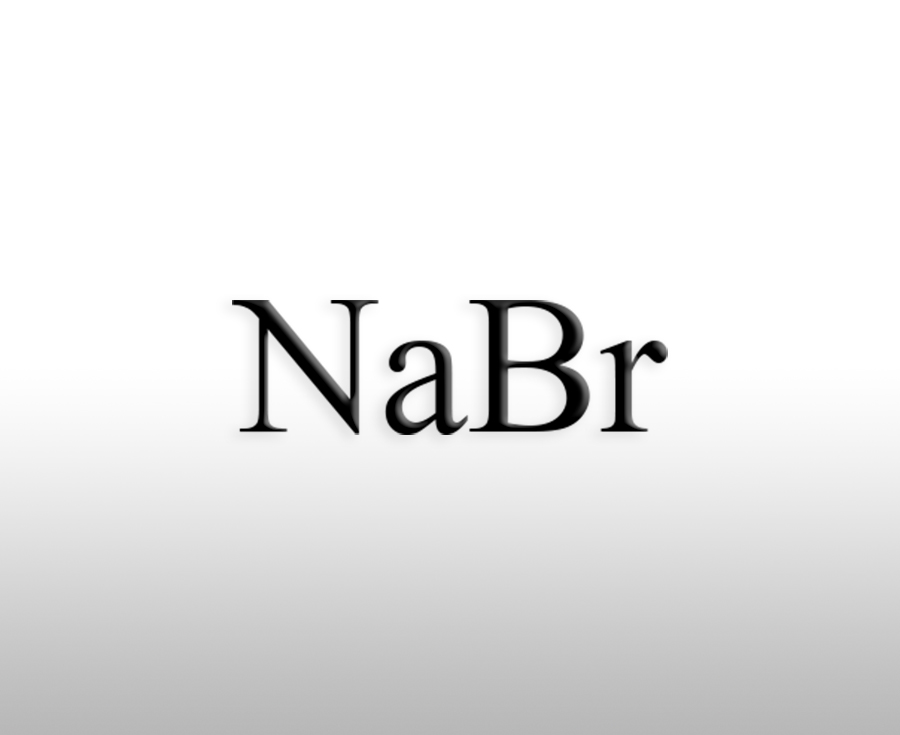
In the field of precious metal extraction: When combined with sodium bromide, a bromine soluble system can be formed to dissolve precious metals such as gold at room temperature. Compared with cyanide systems, the reaction speed is faster and the process conditions are milder. It is used for refining and purifying gold mines and precious metals, with high leaching efficiency.
Textile wool processing: used as an anti shrink and finishing agent for wool, to oxidize and modify wool protein, improve fabric feel. Compared with chlorine based oxidants, it is less likely to cause excessive fiber brittleness and does not produce a large amount of organic chlorine by-products.
Perm styling process: fast styling response speed, long-lasting curl; Will not fade the black hair base color, compared to hydrogen peroxide shaping, will not fade the natural black hair yellow, and has a short processing time; The disadvantage is that it is inherently toxic, and currently many countries have restricted the use of toiletries.
Moderate cost, mature industrial production, easy availability of raw materials, suitable for large-scale industrial production.
4. Advantages of Analytical Chemistry
Standard bromate titration solution can be prepared for volumetric analysis; It can also be used as a laboratory bromine generator, which can generate bromine in situ by adding acid. The operation is simple, the measurement is correct, and it is convenient for the laboratory to carry out oxidation and bromination experiments.