

News Center
Popular products

Sales Department Tel:
0512-52836238
0512-52836128
0512-52358728
Sales Department Fax
0512-52836278
Sales Department Email
xu@worldbrom.com
Purchasing Department Tel/ Fax
0512-52836228
Headquarters Address US Office
, No. 18 Haitian Road, Advanced Material Industrial Park, Changshu City, Jiangsu
Tel
+1 832-857-1028
U.S. office mailbox
Lauren@worldbrom.com
shelia@worldbrom.com
U.S. office address
Creekside Park, The Woodlands, Texas 77375, USA
corporate website
www.worldbrom.com
0512-52836238
0512-52836128
0512-52358728
Sales Department Fax
0512-52836278
Sales Department Email
xu@worldbrom.com
Purchasing Department Tel/ Fax
0512-52836228
Headquarters Address US Office
, No. 18 Haitian Road, Advanced Material Industrial Park, Changshu City, Jiangsu
Tel
+1 832-857-1028
U.S. office mailbox
Lauren@worldbrom.com
shelia@worldbrom.com
U.S. office address
Creekside Park, The Woodlands, Texas 77375, USA
corporate website
www.worldbrom.com
Procurement Hotline
0512-52836128
What are the industrial applications of calcium bromide
Basic InformationSources:www.worldbrom.com | PublishDate:2026.08.04
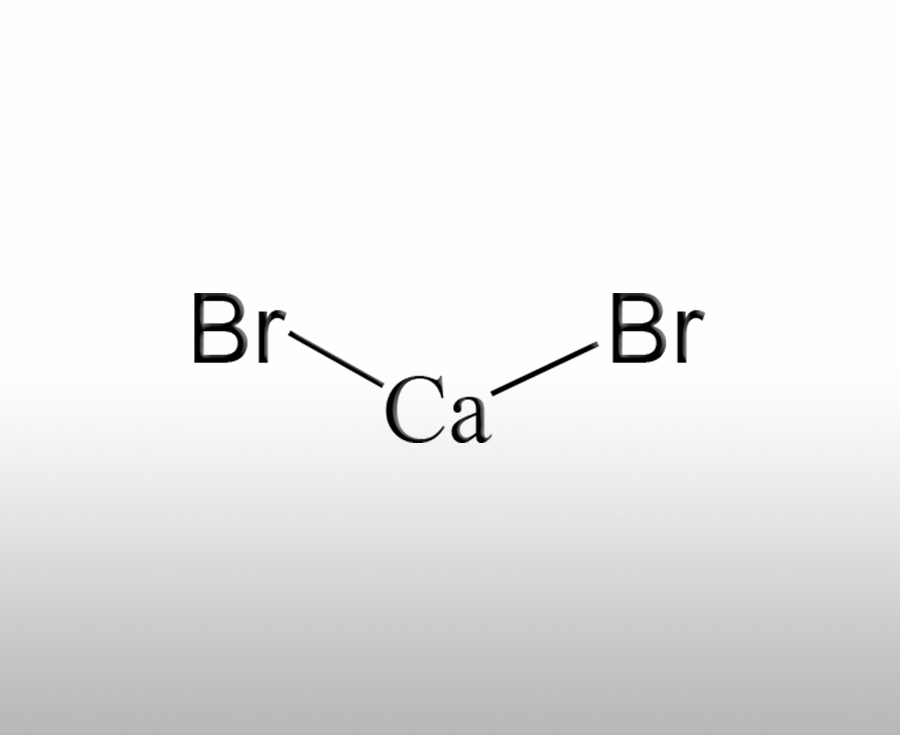
Calcium Bromide (CAS: 7789-41-5), divided into anhydrous calcium bromide and dihydrate calcium bromide, is highly soluble in water and has strong hygroscopicity. It can be used to prepare high-density clear saltwater and is an important inorganic bromide raw material. Industrial mainstream forms: solid crystals, 40%~52% liquid calcium bromide.
1、 Oil and gas industry
As a solid free high-density clarified saltwater, it is used to prepare completion fluid, workover fluid, well control fluid, and cementing auxiliary fluid
Relying on high-density aqueous solutions to generate static column pressure, balance formation fluid pressure, prevent blowouts, and stabilize wellbore walls;
Solid free system, reduces reservoir damage, protects oil and gas reservoir permeability, suitable for offshore oil and gas wells, high-temperature and high-pressure deep wells;
It can be used alone or combined with calcium chloride and zinc bromide to prepare salt water systems with different densities and crystallization temperatures;
Inhibit shale hydration expansion, with lower corrosiveness compared to chloride salt water under high-temperature conditions;
Oil and gas extraction support: natural gas dehydration process dehydration additives.
Business description: Exploration and development of onshore oil fields, offshore platforms, and core chemical raw materials for old well recovery and repair operations.
2、 Environmental flue gas treatment (mainstream application in the thermal power industry)
Control of mercury emissions from coal-fired power plant flue gas
Injecting calcium bromide before coal powder combustion releases bromide ions at high temperatures, oxidizing elemental mercury in the flue gas into ionized mercury, which facilitates capture and removal by desulfurization and dust removal devices, meets atmospheric mercury pollutant emission standards, and is a mainstream low-cost mercury removal aid.
3、 Chemical synthesis (bromide ion based raw materials)
Preparation of other bromides: ammonium bromide, zinc bromide, organic bromine intermediates;
Bromine source and catalyst components for organic synthesis reactions;
Laboratory analysis reagents, protein precipitants.
4、 Refrigeration and Heat Exchange Industry
Absorption refrigeration unit working fluid carrier, industrial closed cycle refrigerant;
High concentration calcium bromide salt water has a low freezing point and is used as antifreeze salt water for low-temperature processes, suitable for chemical low-temperature production lines;
Utilizing strong hygroscopicity, some processes use it as a gas drying and dehydrating agent.
5、 Flame retardant and anti-corrosion materials industry
Inorganic bromine based flame retardant raw materials, compounded with phosphorus based and nitrogen based flame retardants, used in flame retardant formulations for plastics, resins, coatings, and wooden building materials;
Wood and fabric anti-corrosion and anti mold additives;
Note: Not used as the main flame retardant alone, it is mostly used in complex systems.
6、 Photographic imaging industry (traditional applications, shrinking demand)
Early photographic film and photographic paper emulsion raw materials; Developing solution inhibitor, regulating silver halide crystallization and preventing film fogging; After the popularization of digital technology, the usage continues to decline, and a little amount is used for special lithography substrates and special imaging materials.
7、 Water treatment industry
Industrial circulating water and seawater system bromine based disinfectant raw materials, slow-release bromide ions to inhibit algae and microbial growth;
Adjust the ion strength of water bodies and some components of special wastewater treatment agents.
8、 Other niche industrial scenes
Road engineering: Low temperature environment snow melting and dust suppressants (rarely used on a large scale);
Pharmaceutical industry raw materials (high-purity grade): preparation of bromine based sedative raw materials (currently, the commercialization of pharmaceutical applications has been greatly reduced);
Lithium batteries, special electrolyte additives (high-purity calcium bromide subdivision track).
Relevant articles
Related products
Recommended keywords:sodium bromate sodium bromide ammonium bromide sodium bromidesodium bromate potassium bromate Bronopol Bromine compounds worldbrom
Jiangsu Sodium Bromide | Shandong Sodium Bromide | Henan Sodium Bromide | Guangdong Sodium Bromide | Beijing Sodium Bromide | Anhui potassium bromide | Jiangsu Potassium Bromide | Shandong potassium bromide
Henan Sodium Bromate | Guangdong Sodium Bromate | Beijing Sodium Bromate | Anhui Sodium Bromate | Jiangsu ammonium bromide | Shandong ammonium bromide | Henan ammonium bromide |Guangdong Sodium Bromide| Beijing Sodium Bromide | Anhui Sodium Bromide
List labels:bromide sodium bromate Organic bromine sodium bromide sodium bromide calcium bromide ammonium bromide sodium bromate potassium bromate bromoacetic acid Bronopol
Copyright © 2021 Jiangsu Wode Chemical Co., Ltd

技术支持:Lange