

News Center

0512-52836238
0512-52836128
0512-52358728
Sales Department Fax
0512-52836278
Sales Department Email
xu@worldbrom.com
Purchasing Department Tel/ Fax
0512-52836228
Headquarters Address US Office
, No. 18 Haitian Road, Advanced Material Industrial Park, Changshu City, Jiangsu
Tel
+1 832-857-1028
U.S. office mailbox
Lauren@worldbrom.com
shelia@worldbrom.com
U.S. office address
Creekside Park, The Woodlands, Texas 77375, USA
corporate website
www.worldbrom.com
Procurement Hotline
0512-52836128-
 2026-09-08
What are the factors that affect the efficiency of potassium bromate oxidation reaction
1、 System pH value (core influencing factor) The oxidation ability of potassium bromate is highly dependent on the acidity or alkalinity of the system. 1. Acidic conditions: The oxidation activity is the strongest, and hydrogen ions are obtained from bromate to participate in the reaction. The oxidation reaction rate is fast and the reaction proceeds quickly; Different acidic media (
-
 2026-09-01
What are the advantages of sodium bromate
Sodium bromate is a white crystalline strongly oxidizing inorganic salt with significantly improved oxidation ability under acidic conditions and relatively stable neutral conditions. It is widely used in industrial scenarios such as organic synthesis, analytical chemistry, precious metal melting, textile printing and dyeing. Reminder: Sodium bromate is toxic and classified as a hazardous chemical
-
25 08 2026

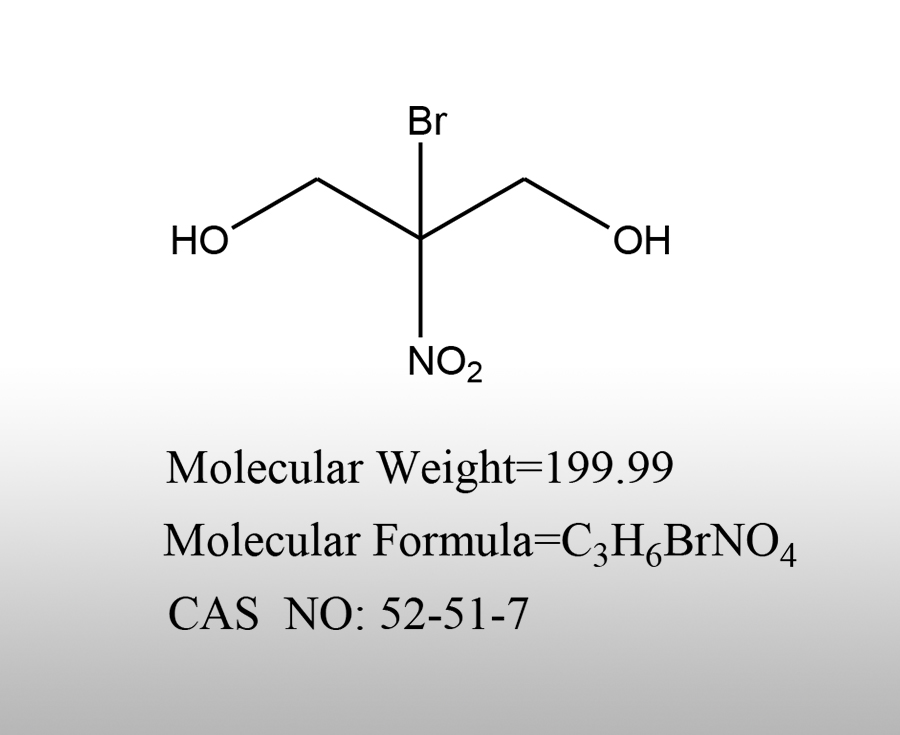
What should be noted when using bromonitrol
Bromine nitrate is a broad-spectrum bactericidal and preservative used in daily chemical, industrial recycled water, coatings, papermaking, and agricultural seed mixing; Moderate toxicity, irritating to eyes, skin, and respiratory tract, highly toxic to aquatic creatures, easily decomposed under alkaline and high temperature conditions. The following are divided into six parts: process use, compat
-
18 08 2026

What is the function of bromoacetic acid
Bromoacetic acid belongs to highly active halogenated carboxylic acids, which have both carboxyl and active bromine atoms in their molecules. Its core function is as an alkylating reagent and carboxymethylation synthesis block, and it is almost not used as a terminal product. It is entirely used as an intermediate in organic synthesis.
-
11 08 2026

What are the production methods of ammonium bromide
1、 Bromine and ammonia synthesis method (mainstream industrial route in China) Put water into the reaction kettle, mix it with liquid ammonia to form an ammonia water system, and maintain an environment of excess ammonia throughout the process. Slowly add bromine while continuously stirring, while strictly controlling the reaction temperature. After the reaction, adjust the pH of the system
-
04 08 2026

What are the industrial applications of calcium bromide
Basic Information Calcium Bromide (CAS: 7789-41-5), divided into anhydrous calcium bromide and dihydrate calcium bromide, is highly soluble in water and has strong hygroscopicity. It can be used to prepare high-density clear saltwater and is an important inorganic bromide raw material. Industrial mainstream forms: solid crystals, 40%~52% liquid calcium bromide.
-
28 07 2026

What are the application industries of sodium bromate
Sodium bromate belongs to Class 5.1 strong oxidizing agents, with core functions as an oxidizing agent under acidic conditions and a bromine generator. The following are the mainstream application areas (while indicating typical uses and key points in the industry)
-
23 07 2026

What are the application characteristics of bromonitrol
1、 Core advantages (application highlights) 1. Broad spectrum and high efficiency, particularly outstanding for Gram negative bacteria Principle of action: Attack the key metabolic enzyme of thiol (- SH) in microbes, inhibit respiratory metabolic activity; It has good effects on Pseudomonas aeruginosa (Pseudomonas aeruginosa) and Pseudomonas genus, while inhibiting most Gram positive bacte
-
14 07 2026

What are the applications of potassium bromide in the chemical industry
1. In the field of chemical engineering and chemical synthesis 1. Preparation of other bromide products Potassium bromide is a basic bromine source raw material used to synthesize sodium bromide, zinc bromide, ammonium bromide, lithium bromide, and organic bromine intermediates; Used in the pharmaceutical and chemical industry to synthesize bromine containing raw materials, antibiotic inte
-
07 07 2026

What are the advantages of ammonium bromide as an analytical reagent
1、 High purity and easy to produce standards, suitable for titration reference/calibration 1. Analyze pure grade with high purity (≥ 99.5%) and strict impurity control Low content of heavy metals, sulfates, bromate, and chloride ions, which do not interfere with precipitation titration and trace metal detection; Burning residue ≤ 0.01%, with minimal blank error, can be directly used for ca
